
Fastener Fundamentals: A Comprehensive Guide to Industrial Fasteners
Introduction
Fasteners are the unsung heroes of the manufacturing world. These small but critical components hold together everything from skyscrapers to smartphones, yet their importance is often overlooked until something goes wrong. As a product manager with over 20 years in the fastener industry, I’ve seen firsthand how the right fastener can make or break a project.
In this comprehensive guide, we’ll explore the fundamentals of industrial fasteners, including types, materials, strength grades, and selection criteria. Whether you’re an engineer, procurement professional, or manufacturer, understanding these basics will help you make informed decisions and ensure the success of your projects.
What Are Fasteners?
Fasteners are hardware devices used to mechanically join or affix two or more objects together. They come in countless shapes, sizes, and materials, each designed for specific applications and performance requirements.
Key characteristics of quality fasteners include:
- Strength and durability
- Corrosion resistance
- Temperature tolerance
- Vibration resistance
- Ease of installation and removal
Major Types of Fasteners
1. Bolts and Screws
Press enter or click to view image in full size

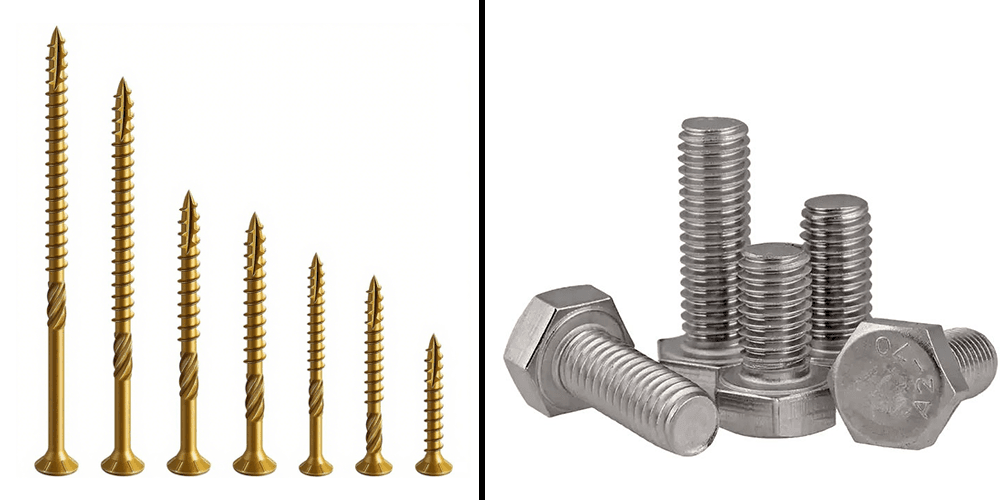
Bolts are threaded fasteners designed to be used with a nut. They are typically used in applications requiring high clamping force. Common types include:
- Hex bolts
- Carriage bolts
- Eyebolts
- U-bolts
Screws have threads along their entire length and are designed to tap their own threads in a pre-drilled hole. Popular varieties include:
- Machine screws
- Wood screws
- Sheet metal screws
- Self-tapping screws
At Hangfan, we offer a complete range of bolts and screws in various sizes, materials, and finishes to meet your specific needs.
2. Nuts
Press enter or click to view image in full size

Nuts are internally threaded fasteners used with bolts to secure two or more objects together. Important types include:
- Hex nuts
- Lock nuts
- Wing nuts
- Flange nuts
- Square nuts
The right nut selection is crucial for ensuring proper clamping force and preventing loosening under vibration.
3. Washers
Press enter or click to view image in full size

Washers are thin plates with a hole in the center used to distribute the load of a threaded fastener. They serve several important functions:
- Prevent damage to the surface being fastened
- Increase the contact area
- Provide spring tension to prevent loosening
- Seal against fluids and gases
4. Rivets

Rivets are permanent fasteners that are installed by inserting them into pre-drilled holes and deforming the end to create a head. They are commonly used in applications where welding is not feasible.
Material Selection Guide
Choosing the right material is critical for fastener performance and longevity. Here are the most common materials used:
1. Carbon Steel
- Pros: Strong, economical, widely available
- Cons: Poor corrosion resistance
- Applications: General purpose, non-corrosive environments
- Finishes: Zinc plating, galvanizing for improved corrosion resistance
2. Stainless Steel
- Pros: Excellent corrosion resistance, aesthetic appeal
- Cons: Higher cost, lower strength compared to alloy steel
- Grades: 304 (general purpose), 316 (marine applications)
- Applications: Food processing, medical equipment, outdoor applications
At Hangfan, our stainless steel fasteners are manufactured to the highest standards, ensuring superior corrosion resistance and performance.
3. Alloy Steel
- Pros: Highest strength, good toughness
- Cons: Requires protective coating for corrosion resistance
- Applications: High-stress applications, automotive, construction
- Heat treatment: Quenched and tempered for maximum strength
4. Specialty Materials
- Titanium: Lightweight, high strength-to-weight ratio, excellent corrosion resistance
- Brass: Good conductivity, corrosion resistance, aesthetic appeal
- Aluminum: Lightweight, good corrosion resistance
- Plastics: Electrical insulation, chemical resistance, lightweight
Understanding Strength Grades
Strength grades indicate the tensile strength and hardness of fasteners. The most common grading systems are:
Metric Grading System
- 4.6: Low strength, general purpose
- 8.8: Medium-high strength, most common grade
- 10.9: High strength, critical applications
- 12.9: Extra high strength, heavy-duty applications
The first number represents the tensile strength in 100 MPa, and the second number represents the yield strength as a percentage of tensile strength.
SAE Grading System
- Grade 2: Low carbon steel, general purpose
- Grade 5: Medium carbon steel, quenched and tempered
- Grade 8: Alloy steel, highest strength commercial grade
Selection Guidelines
- Structural applications: Grade 8.8 or higher
- Automotive applications: Grade 10.9 or 12.9
- General purpose: Grade 4.6 or 8.8
- Corrosive environments: Stainless steel grades
How to Select the Right Fastener
Selecting the appropriate fastener requires consideration of several factors:
1. Application Requirements
- Load requirements (tensile, shear, bending)
- Environmental conditions (temperature, moisture, chemicals)
- Vibration levels
- Assembly and disassembly frequency
2. Material Compatibility
- Ensure the fastener material is compatible with the materials being joined
- Consider galvanic corrosion when dissimilar metals are used
- Select appropriate coatings for environmental protection
3. Installation Considerations
- Tool availability
- Access constraints
- Torque requirements
- Installation torque vs. clamp load
4. Cost vs. Performance
- Balance performance requirements with budget constraints
- Consider total cost of ownership, not just initial purchase price
- Evaluate long-term reliability and maintenance costs
Common Fastener Problems and Solutions
1. Loosening Under Vibration
Solutions:
- Use lock nuts or thread-locking compounds
- Apply proper torque during installation
- Consider serrated flange nuts or washers
2. Corrosion
Solutions:
- Select corrosion-resistant materials (stainless steel, titanium)
- Use protective coatings (zinc, cadmium, epoxy)
- Implement proper maintenance procedures
3. Overloading
Solutions:
- Select appropriate strength grade
- Use larger diameter fasteners
- Increase the number of fasteners
- Distribute load more evenly
4. Thread Stripping
Solutions:
- Use proper thread engagement (minimum 1.5 times diameter)
- Ensure proper hole size and thread quality
- Apply correct installation torque
Conclusion
Understanding fastener fundamentals is essential for anyone involved in manufacturing, construction, or maintenance. By selecting the right type, material, and grade for your specific application, you can ensure the safety, reliability, and longevity of your products and structures.
At Hangfan, we specialize in providing high-quality industrial fasteners and technical expertise to help our customers find the perfect solution for their needs. With over 20 years of experience and a commitment to quality, we are your trusted partner for all your fastening requirements.
Need help selecting the right fastener for your project? Contact our technical team today for personalized advice and support.
Related News
Other news you might be interested in
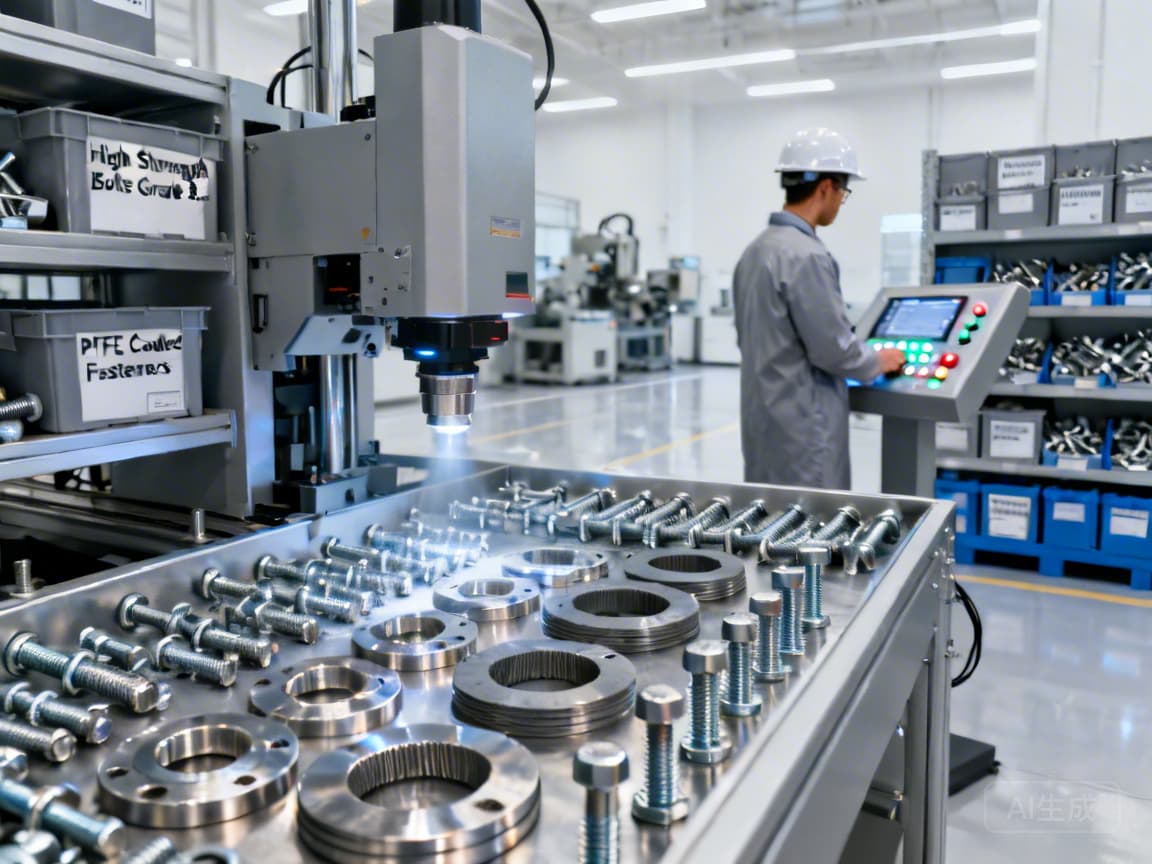
Factory-Direct Industrial Fasteners & Components: Solving Critical 2024 Manufacturing & Construction Challenges
Global industrial firms grapple with fastener-related supply chain disruptions, compliance demands, and corrosion challenges. Factory-direct High Fasteners delivers reliable, cost-effective solutions—OEM flexibility, optical sorting quality control, and engineered products—streamlining procurement for B2B manufacturing and construction partners.
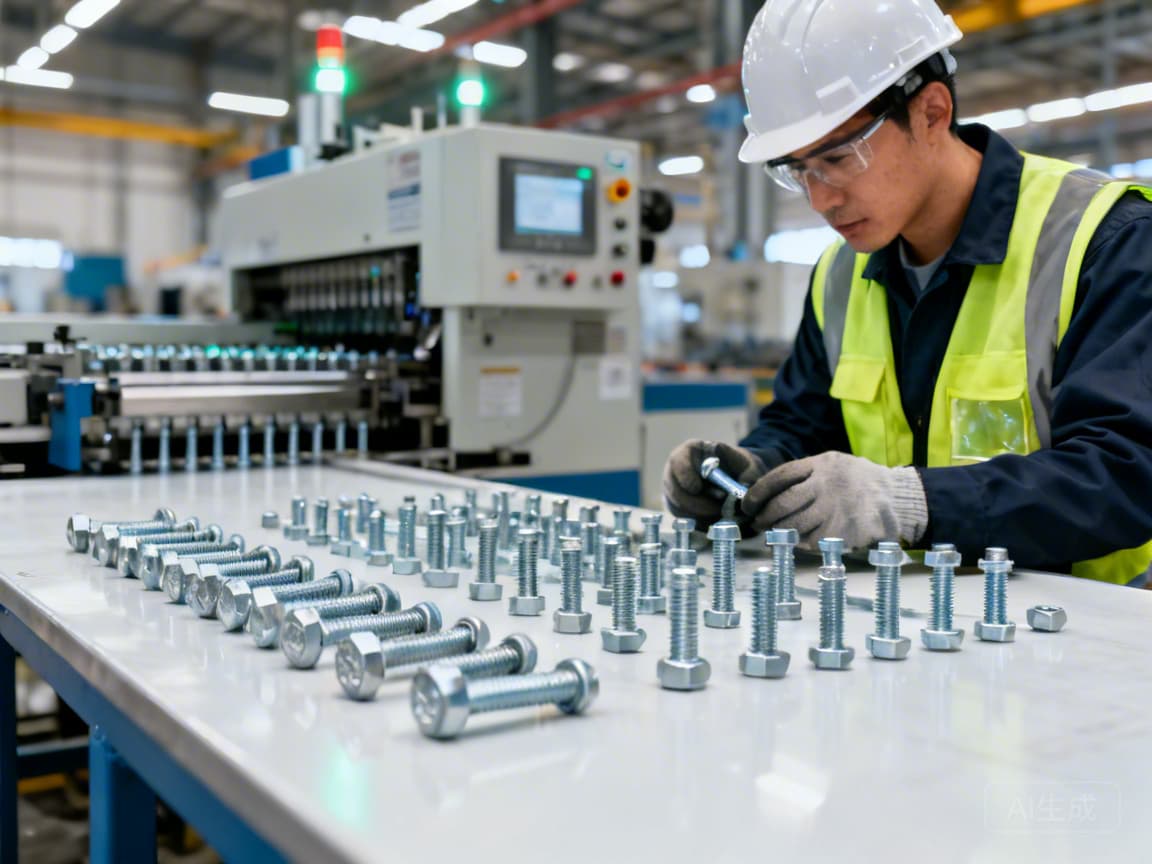
Factory-Direct Industrial Fasteners: Solving 2025 Manufacturing & Construction Pain Points with Compliant, High-Strength Solutions
Factory-direct industrial fasteners address 2025 manufacturing/construction pain points—supply chain delays, compliance, performance. Custom OEM, MOQ flexibility, optical sorting, and HDG/PTFE coatings for reliable, compliant solutions.
Want to know more?
Get in touch with us for more information about our services and products.